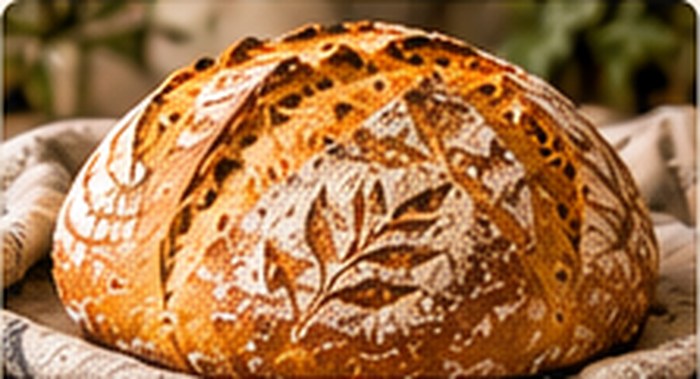
Sourdough is a practice of observation. Flour, water, temperature, and time work together, and small changes can make a noticeable difference from one bake to the next.
1. It may be too cool
Yeast and bacteria work more slowly in a cool kitchen. Give the culture a comfortably warm, consistent place, away from direct heat.
2. It may need a different feeding rhythm
If the starter has peaked and collapsed before you check it, it may appear inactive. Watch it after feeding and note when it doubles, peaks, and falls.
3. Check the flour and water
Different flours absorb water differently. Use a consistent flour and clean water, and keep the feeding ratio consistent while troubleshooting.
4. Give a young or neglected starter time
A new culture can take time to become predictable. Feed consistently and look for bubbles, aroma changes, and repeatable rise rather than one dramatic result.
A simple next step
Keep notes for your next bake: feeding ratio, starter peak time, room temperature, dough temperature, and the result. A few observations make troubleshooting much easier.